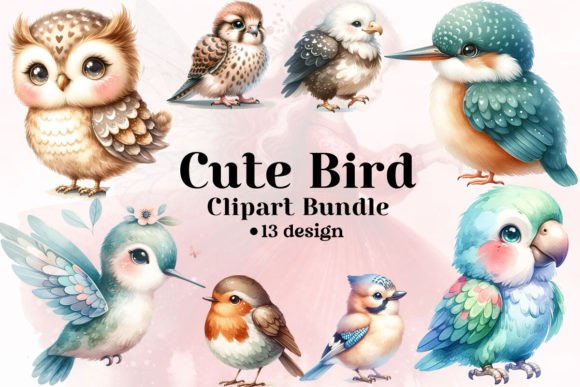
Charming Watercolor Bird Clipart for Creative Projects
There is a distinct emotional quality that hand-painted art brings to a digital layout. In a world dominated by perfectly crisp vectors and sterile stock photography, watercolor cute bird clipart offers a refreshing sense of authenticity. It captures the organic beauty of nature with the softness of real brush strokes, making it an incredibly versatile asset for anyone serious about visual communication. Whether you are piecing together a brand identity for a local café, designing a series of social media templates, or laying out an editorial spread, understanding the strengths of this style will help you use it with intention and professionalism.
More Than Just Cute: The Visual Personality of the Style
The term "cute" can sometimes undersell the sophistication of quality watercolor artwork. A well-executed set of watercolor bird illustrations carries a distinct personality that sits at the intersection of playful and refined. The medium itself contributes significantly to the appeal. Unlike flat vector icons, watercolor introduces natural texture. You get subtle pigment granulation, soft edge variations, and a beautiful translucency that allows the art to sit gracefully on a page. This gives the work a handcrafted feel that immediately signals authenticity to the viewer. For a brand or content creator, leveraging this aesthetic communicates that you value artistry and detail. It moves beyond generic design and into something that feels personal and considered.
Strategic Applications Across Digital and Print Media
The true strength of high-quality watercolor clipart lies in its adaptability. It is not a one-trick pony. With the right technical preparation, these assets can anchor a wide variety of projects.
Branding and Visual Identity
For small business owners and entrepreneurs, establishing a memorable brand identity on a budget is a constant challenge. Investing in a premium font and a set of versatile watercolor bird clipart can give you a head start. The artwork can function as a primary logo mark, a secondary accent, or a repeating pattern element. The key is consistency. Pull the dominant colors from the clipart to build your brand color palette. This creates a cohesive look across your website, stationery, and packaging. The soft, organic nature of the art pairs particularly well with a clean sans serif font for a modern, trustworthy brand, or a handwritten font for a more whimsical, approachable feel.
Web and Social Media Design
Engagement on digital platforms relies heavily on the ability to stop the scroll. Watercolor elements naturally draw the eye because they look different from standard digital graphics. Use a large bird illustration as a hero image on a landing page, or as a background element for inspirational quote graphics. When overlaying text, pay close attention to readability. The soft edges of watercolor can sometimes blur against text. To maintain a strong visual hierarchy, place your text within a solid geometric shape, or use a display font with enough weight to stand out against the textured background. This contrast between the fluid art and the structured type is what makes a design look professionally executed.
Editorial and Publishing Projects
For bloggers, authors, and publishers, source material that feels unique is invaluable. Watercolor cute bird clipart can elevate everything from a blog post header to an ebook cover or a children's book illustration. Instead of relying on generic stock photos, these illustrations allow you to create a specific mood. A single bird perched on a branch can perfectly set the tone for an article about mindfulness, creativity, or nature. The ability to layer these elements—putting a bird behind a headline or using a cluster of birds to guide the reader down a page—adds depth and professionalism to editorial layouts.
Key Technical Considerations Before You Buy
Not all design assets are built for commercial use. To avoid frustration and legal issues, you need to evaluate potential purchases carefully. This is where the line between a hobbyist and a professional becomes clear.
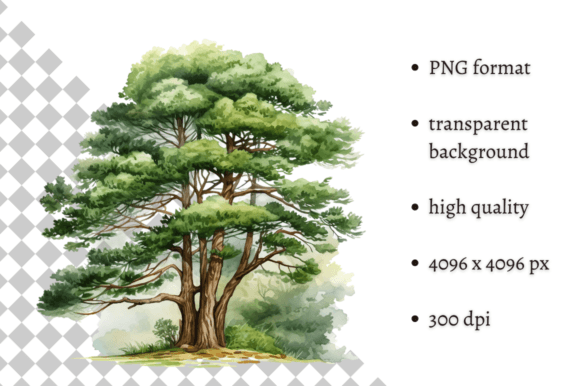
- Resolution and Scalability: For print projects, you need files at 300 DPI (dots per inch). If the clipart only comes in low resolution, it will look blurry and unprofessional on a business card or brochure. For web use, transparent PNGs are essential. The best sets also include scalable vector formats (like SVG or AI), which allow you to resize the artwork infinitely without any loss of quality.
- Commercial Licensing: This is non-negotiable. You must read the license agreement carefully. Does it allow for use in merchandise? Can you use it in a logo for a client? Is there a cap on the number of products you can sell using the artwork? A reputable commercial font or clipart provider will have clear, fair terms. Understanding the license protects your business and ensures you are using the asset ethically.
- Set Consistency and Variation: A strong clipart set offers more than just one image. Look for sets that provide multiple species of birds, different poses, and complementary elements like wreaths, leaves, or floral accents. This allows you to build a rich, varied visual system for your brand or project without having to hunt for matching assets elsewhere.
Building Visual Hierarchy and Brand Perception
How you deploy your watercolor clipart directly influences how your audience perceives your brand. Using the art sparingly and strategically elevates your perceived professionalism. For example, placing a single, delicate bird as a watermark on a website background adds texture and depth without distracting from the main content. Conversely, using a large, vibrant bird as the central focus of a poster creates immediate emotional impact. This control over scale and placement is the essence of modern typography and layout design. You are using the art to guide the viewer’s eye and to reinforce the tone of your message.
The choice of supporting typeface further shapes this perception. Pairing the botanical, soft aesthetic of watercolor with a sharp, geometric serif font creates a sophisticated tension. It suggests a brand that is both creative and grounded. Pairing it with a playful script font leans into the whimsy, which works well for children’s products or lifestyle brands focused on joy and relaxation. The art and the type must speak the same language, even if they have different accents.
Practical Recommendations for Designers and Creators
Based on real-world application, here are a few concrete strategies for getting the most out of your watercolor bird clipart. First, always strip the background. Use a well-masked PNG or vector file to ensure the bird can be placed seamlessly against any backdrop. Second, experiment with color overlays. If a bird is perfectly painted but the colors clash with your brand palette, you can often recolor vector watercolor elements without ruining the texture. This allows for perfect brand integration. Third, build a small library of your own signature layouts. For example, create a standard social media template that places a bird in the corner and your headline in a strong display font opposite it. This builds brand recognition and saves you time.
Finally, think about the story you are telling. A bird in flight might symbolize freedom or ambition. A bird resting on a branch suggests peace and home. Matching the emotional tone of the clipart to your content creates a powerful synergy that audiences pick up on. It moves the design from being just decorative to being genuinely communicative.
Watercolor cute bird clipart is much more than a simple design trend. It is a practical tool for injecting warmth, authenticity, and artistic quality into your work. By understanding its visual strengths, respecting technical requirements like licensing and resolution, and thoughtfully pairing it with solid typography, you can create professional work that stands out in a crowded visual landscape. Whether you are a seasoned designer or a business owner doing your own marketing, these assets offer a direct path to more engaging and emotionally resonant projects.