Watercolor Safari Animal Clipart
If you’ve spent any time browsing design assets for children’s products, branding, or social media content, you’ve likely stumbled across the growing popularity of watercolor illustrations. Among these, Watercolor Safari Animal Clipart stands out as a versatile and visually compelling option. It brings the warmth of hand-painted art into digital projects, blending organic texture with recognizable wildlife subjects. This isn’t just another set of stock images—it’s a design resource that can transform how your audience interacts with your content.
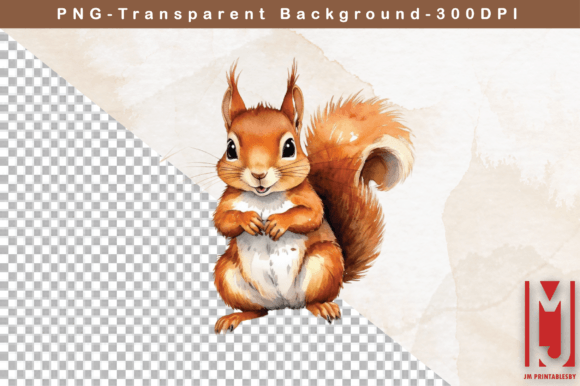
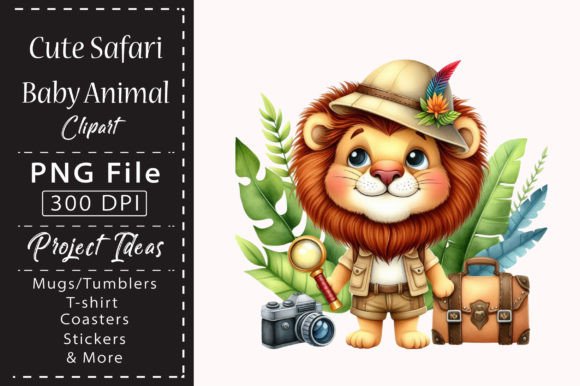
At its core, Watercolor Safari Animal Clipart consists of hand-painted or digitally rendered images that mimic the soft, flowing effects of watercolor paint. Think of lions with gentle amber washes, elephants with subtly blended grays, or giraffes with spotted patterns that bleed softly into the background. The style emphasizes transparency, layered colors, and irregular edges. Unlike vector clipart with sharp lines, these pieces feel more organic and approachable. That personality makes them especially effective for projects where you want to convey warmth, creativity, or a connection to nature.
The appeal lies in the tension between the wild, untamed subject matter and the delicate, fluid technique. A safari animal suggests adventure, but the watercolor rendering softens it into something more nurturing. This duality gives Watercolor Safari Animal Clipart a broad range of uses. It can feel sophisticated enough for branding yet playful enough for a nursery mural. The key is understanding where and how to apply this asset type to maximize its impact.
Where Watercolor Safari Animal Clipart Shines in Creative Projects
One of the first questions designers and content creators ask is: “Where will this actually look good?” With Watercolor Safari Animal Clipart, the answer is surprisingly broad. The style works across both print and digital media, but certain applications highlight its strengths more than others.
- Children’s book illustrations and educational materials – The soft textures align well with storytelling and early learning. Pairing the clipart with a clean sans serif font for body text keeps readability high while maintaining visual interest. For example, using a handwritten font for titles can echo the organic feel of the art.
- Brand identity for eco-friendly or nature-focused businesses – If you are branding a sustainable toy line, an organic clothing brand, or a wildlife nonprofit, Watercolor Safari Animal Clipart reinforces authenticity. Unlike a generic display font or vector icon, the watercolor style suggests handcrafted care.
- Social media graphics and digital marketing – Platforms like Instagram and Pinterest reward visually unique content. A feed that uses consistent Watercolor Safari Animal Clipart for quotes, product shots, or announcements stands apart from the crowd of flat illustrations. The irregular edges and subtle gradients draw the eye more naturally than a rigid serif font or sans serif font alone could.
- Packaging design for specialty products – Think small-batch tea boxes, artisan soaps, or handmade stationery. The clipart adds perceived value by hinting at a human touch. The packaging looks less industrial and more personal.
- Event invitations and party decorations – Safari-themed baby showers, first birthdays, or jungle-themed parties benefit directly. The watercolor aesthetic adds an elegant, non-cartoonish layer that appeals to adult guests as well.
For each project, consider how the clipart interacts with other design elements. If your layout uses a bold creative font for headlines, the clipart should ideally sit in a lighter transparency or smaller scale to avoid visual conflict. Conversely, a minimalist layout with lots of white space gives the watercolor images room to breathe and become focal points.
How This Clipart Influences Readability, Hierarchy, and Brand Perception
Design assets aren’t just decorative. They actively shape how people process information and feel about your brand. Watercolor Safari Animal Clipart affects readability and hierarchy in ways that differ from standard icons or photographs.
Because watercolor images have soft edges and blended interiors, they naturally draw attention without shouting. In editorial design or web design, you can use a large piece of clipart as a background element. Place text over the lighter wash areas—where the paint is thinnest—to maintain legibility. This technique works especially well when paired with a modern typography approach: a clean sans serif font for body copy and a complementary script font or handwritten font for pull quotes creates an engaging contrast between structure and fluidity.
For visual hierarchy, the clipart can serve as anchor points. Imagine a blog post about animal conservation. A watercolor elephant left-aligned next to a statistic creates a natural reading flow. The eye moves from the image to the text, then down the page. Because the clipart isn’t photographically realistic, it doesn’t compete with the content for literal attention. Instead, it sets a mood. That mood influences brand perception by reinforcing values like thoughtfulness, creativity, and environmental awareness.
The consistency of using Watercolor Safari Animal Clipart across multiple touchpoints—website banners, social media templates, and print materials—builds recognition. Over time, audiences associate the soft, painterly style with your brand identity. This is a powerful advantage over using generic stock photography. The clipart becomes a visual signature that no other brand can easily replicate.
Practical Guidance for Choosing and Using Watercolor Safari Animal Clipart
Selecting the right set of Watercolor Safari Animal Clipart requires more than just picking images you find visually pleasing. Here are practical steps to evaluate project fit:
- Assess the color palette – Look at the predominant hues in the clipart set. Do they lean warm (oranges, yellows, browns) or cool (blues, greens, purples)? Warm palettes tend to feel energetic and inviting, while cooler ranges suit calm, trustworthy brands. Ensure the palette aligns with your existing brand colors or the mood you want to set.
- Check the level of detail – Some watercolor clipart is highly detailed with visible brush strokes and color layering. Others are simpler, more abstract. For small-scale use like social media icons, simpler images remain recognizable. For large prints like posters, detailed versions show off the texture. Match the detail level to your medium.
- Test font pairings – Since you will likely combine text with this clipart, try pairing it with a premium font that complements without competing. A display font with strong personality might overshadow the delicate art, while a neutral serif font like one designed for editorial use can balance the organic imagery. For casual projects, a handwritten font reinforces the handcrafted feel.
- Review included styles and formats – Many clipart bundles offer multiple file types: PNG with transparency, JPEG, and sometimes SVG. For web use, PNGs are ideal because they layer over backgrounds cleanly. For print, high-resolution JPEGs or SVG files allow scaling without quality loss. Make sure the license covers your intended use—commercial projects often require a commercial license.
- Consider readability when layering – If you plan to place text on top of the clipart, test the contrast. Watercolor images have unpredictable opacity. You may need to add a semi-transparent overlay behind the text or use a bold font weight to maintain clarity.
- Think about consistency across assets – Using one cohesive set of Watercolor Safari Animal Clipart for an entire project is safer than mixing different artists’ styles. Inconsistent brushwork or color theory can make the final layout feel disjointed.
Real-World Examples and Design Observations
I’ve seen several small businesses successfully integrate this clipart type. One craft shop on Etsy used a set of watercolor safari animals for their product labels—handmade baby blankets. The soft illustrations matched the product’s gentle textile feel. The shop owner paired the artwork with a clean sans serif font for care instructions and a script font for the brand name. The result was a cohesive look that increased average order value by making the packaging feel gift-ready.
Another example is a children’s app developer who used Watercolor Safari Animal Clipart for in-app rewards and backgrounds. The non‑digital feel of the art helped the app stand out in a crowded market of flat, colorful games. Parents commented on the app’s “artistic quality” in reviews, which boosted download rates. Here, the clipart wasn’t just decoration—it was a brand differentiator.
From a design perspective, one observation is that watercolor clipart often works best when you don’t fight its natural qualities. Forcing it into a rigid grid or clipping it into hard shapes can ruin the effect. Instead, let the images float freely or overlap with generous margins. This respects the medium and keeps the human, tactile quality front and center.
Commercial Licensing and Professional Use Considerations
Before committing to any set of Watercolor Safari Animal Clipart, review the license agreement thoroughly. Standard personal use licenses often restrict resale of digital files or limit the number of copies you can print. For freelance designers, agencies, or content creators producing work for clients, a commercial license is non‑negotiable. Some clipart licenses allow unlimited commercial use but prohibit using the images in templated products sold online. Others require attribution. Knowing these boundaries upfront saves legal headaches later.
Also consider how the clipart fits into your larger design workflow. If you’re building a brand identity that includes both a logo design and supporting graphics, a single piece of clipart might inspire the color direction. But rely on vector shapes or a dedicated display font for the logo itself—watercolor textures are hard to scale consistently for fine print or embroidery. Use the clipart for secondary elements where its charm shines brightest.
Ultimately, Watercolor Safari Animal Clipart offers a bridge between digital convenience and handmade authenticity. It’s not a font, but it interacts with typography in significant ways. When chosen thoughtfully and applied with an understanding of hierarchy, readability, and brand perception, it becomes more than a design asset—it becomes a tool for storytelling. Whether you’re a blogger looking for unique Pinterest pins, a small business owner refreshing your packaging, or a designer building a complete visual identity, the right set of watercolor animals can elevate your work from ordinary to memorable.