Watercolor Floral Ladybug Clipart: A Designer's Asset
If you’ve spent any time browsing design assets lately, you’ve likely noticed a growing shift toward handcrafted, organic visuals. Among these, Watercolor Floral Ladybug Clipart stands out as something genuinely distinct. It’s not just another decorative element—it’s a style choice that brings warmth, nature, and a touch of whimsy to any project. Whether you’re building a brand from scratch or refreshing a client’s social media feed, this type of clipart offers a versatile foundation that feels both polished and personal.
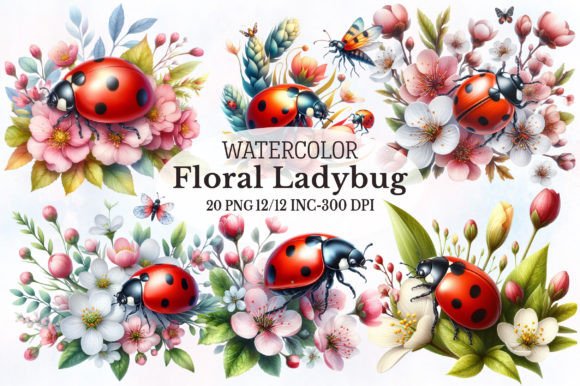
Unlike rigid vector icons or overly polished stock imagery, watercolor floral clipart with ladybugs carries an inherent softness. The blooms are loose and expressive, with natural color bleeding and gentle texture. The ladybugs add a focal point—small, red, dotted with black—that draws the eye without competing with the flowers. Together, they create a balanced composition that works equally well as a standalone piece or layered into a larger layout.
For designers and content creators, this visual style offers something important: personality. A clean sans serif font or a sterile logo mark may communicate professionalism, but it rarely evokes emotion. Watercolor Floral Ladybug Clipart fills that gap. It signals approachability, creativity, and a connection to the natural world. That’s valuable whether you're designing for a wedding stationery suite, a children’s book, or a small business that sells handcrafted goods.
What Makes This Clipart Stand Out Visually
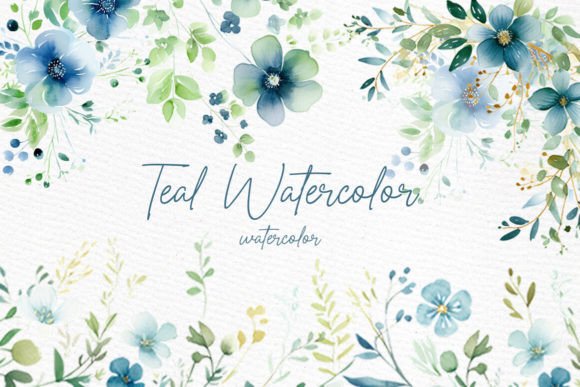
Let’s get specific about the look and feel. The watercolor technique used in this clipart creates gradients and soft edges that mimic real paint on paper. Each flower might have subtle variations in hue—a petal that fades from blush pink to cream, a leaf that shifts from sage green to olive. These imperfections are deliberate. They give the artwork a hand-painted quality that feels authentic in a world of flat digital graphics.
The ladybugs themselves are typically rendered with enough detail to be recognizable but not so much that they feel clinical. You’ll see rounded bodies, tiny antennae, and spots that vary in size. Some clipart sets include ladybugs in flight, others resting on petals or leaves. This variety matters because it gives you flexibility. Need a serene botanical arrangement? Place a resting ladybug on a central bloom. Want something more playful? Use a flying ladybug near the edge of a composition.
Color palettes in Watercolor Floral Ladybug Clipart tend to lean toward natural tones: soft pinks, dusty roses, lavender, butter yellow, and muted greens. Reds for the ladybugs pop against these backgrounds without feeling jarring. The overall effect is calming, organic, and highly adaptable.
Another characteristic worth noting is the negative space. Good watercolor clipart doesn’t fill every inch of the canvas. There are washes of color that fade into white, giving the artwork an airy, open feel. This makes it easier to layer text or other design elements without creating visual clutter. If you’ve ever struggled to place a headline over a busy background, you’ll appreciate how thoughtfully composed this type of clipart usually is.
Where to Use Watercolor Floral Ladybug Clipart in Real Projects
This isn’t a niche asset reserved for scrapbooking. In my own work, I’ve seen Watercolor Floral Ladybug Clipart used effectively across a wide range of applications. Here are some of the most practical ones:
- Brand identity and logo design – Small businesses, especially those in wellness, floral design, children’s products, or handmade goods, benefit from a logo that feels personal. Using a single floral element with a ladybug can become a memorable mark. Pair it with a clean serif font or a modern script font, and you have a logo that looks custom and intentional.
- Editorial and publishing design – Magazines, blogs, and e-books focused on gardening, nature, lifestyle, or parenting can use this clipart as section dividers, pull quotes, or chapter headers. The soft watercolor style complements body text without overpowering it, especially when used at a smaller scale.
- Packaging design – If you’re developing labels for candles, soaps, teas, or natural remedies, watercolor florals add a handmade feel that resonates with customers. The ladybug becomes a subtle brand signature—a small detail that people remember.
- Social media graphics – Instagram posts, Pinterest pins, and Facebook covers all benefit from visual consistency. A set of watercolor floral and ladybug elements can serve as recurring motifs across your feed. Use them in backgrounds, borders, or as accent pieces around quotes or announcements.
- Web design – Hero sections, testimonial backgrounds, and footer illustrations can all incorporate this clipart. Because the watercolor style is soft, it works well as a full-bleed background behind light text. Just ensure you test contrast—lighter floral elements may need a subtle overlay or shadow to keep text readable.
- Personal and craft projects – Wedding invitations, save-the-dates, thank-you cards, party decorations, and even custom wall art benefit from the organic charm of this clipart. It elevates DIY projects without requiring advanced design skills.
One observation from working with clients: the versatility of Watercolor Floral Ladybug Clipart often surprises people. They assume it’s only for feminine or rustic designs, but I’ve seen it used in modern minimalist layouts, children’s educational materials, and even corporate sustainability reports. The key is how you pair it. With a bold geometric font, the clipart adds warmth. With a delicate handwritten font, it becomes romantic. With a clean sans serif, it stays fresh and contemporary.
How This Clipart Influences Brand Perception and Engagement
Design choices communicate before a single word is read. When you use Watercolor Floral Ladybug Clipart, you’re signaling a few things about your brand or project. First, you care about craftsmanship. Watercolor isn’t sterile—it shows texture and variation, which implies that you value detail and authenticity. second, you’re approachable. The combination of flowers and ladybugs is inherently friendly. It’s not aggressive or corporate. It invites people in.
From a readability and visual hierarchy standpoint, this clipart works well because it doesn’t compete with text. The soft edges and gradual color transitions mean it can sit behind or beside type without creating harsh boundaries. In editorial design, a small floral element with a ladybug placed near a headline can guide the eye naturally down the page. It functions like a visual cue, helping readers navigate content without being distracting.
Brand recognition also benefits from consistent use of a distinctive visual element. If you repeatedly feature a particular watercolor rose with a ladybug in your social media graphics, packaging, and website headers, your audience begins to associate that imagery with your brand. Over time, that connection becomes automatic. It’s a form of visual shorthand that builds trust and familiarity.
Audience engagement tends to increase when visuals feel personal. In my experience, posts and products that include hand-painted or watercolor elements receive more comments and shares than those using generic stock photos. People respond to authenticity. A ladybug on a flower might seem simple, but it carries emotional weight—childhood memories, garden afternoons, a sense of slow, natural beauty. That resonance translates to real engagement.
Practical Tips for Choosing and Using Watercolor Floral Ladybug Clipart
Not all clipart is created equal, and knowing what to look for can save you time and frustration. Here are some practical considerations when evaluating Watercolor Floral Ladybug Clipart for your projects:
- Check the resolution and file format. For print projects, you’ll want high-resolution PNG files with transparent backgrounds. Some sets also include SVG files for scalability in web design. Avoid JPEGs with white backgrounds—they limit flexibility.
- Review the included styles. A good set should offer variety: different flower types, leaf arrangements, and ladybug poses. At minimum, look for at least three to five distinct compositions so you’re not repeating the exact same element across your project.
- Test font pairings early. This clipart pairs beautifully with script fonts for a romantic feel, serif fonts for editorial elegance, and sans serif fonts for clean contrast. Place the clipart next to your type and adjust scale and spacing before committing. If the ladybug competes with the text, reduce its opacity or move it to a corner.
- Consider commercial licensing. If you’re a designer creating assets for clients or a small business owner selling products, confirm that the clipart includes commercial use rights. Many premium font and design asset marketplaces clearly label licensing terms. Always read them carefully—some restrict use in certain merchandise categories.
- Think about color consistency. If you’re using the clipart alongside brand colors, make sure the watercolor palette doesn’t clash. You can often adjust hue and saturation in your design software, but it’s easier to start with a set that already aligns with your brand’s tonal range.
- Readability first. When using clipart as a background, apply a subtle gradient overlay or soft shadow to ensure text remains legible. For smaller sizes—like business cards or social media profile images—keep the clipart simple. A single flower with one ladybug is often more effective than a dense arrangement.
One more recommendation: don’t be afraid to crop or rotate elements. Watercolor clipart often looks surprisingly good when you zoom in on a specific petal or use just the ladybug without the surrounding flowers. This gives you even more mileage from a single set. I’ve built entire brand systems using one clipart pack by treating each flower and bug as modular components.
In the end, Watercolor Floral Ladybug Clipart is more than a decorative afterthought. It’s a design asset that brings emotion, texture, and recognition to your work. Whether you’re designing for yourself or for clients, taking the time to choose a high-quality set and integrate it thoughtfully will pay off in the consistency and appeal of your final product. The best designs don’t just look good—they feel good. And this clipart, with its hand-painted charm and natural subject matter, helps you get there without overcomplicating the process.